





About me · Work with me · X
I'm Adem, an independent engineer working on AI evaluation, software reliability, compiler correctness, and developer tools. I also build interactive experiments in physics, graphics, and music.
I enjoy working out why software fails, then building a fix other people can use. My projects usually grow through experiments, tests, and review.
I want useful AI systems whose claims and actions can be checked. My work connects evaluation reporting, bounded controls for agent actions, and reproducible evidence—including results that do not support the original idea.
- Evaluation: SkillEvaluator reporting changes were merged; my monitorability reference correction remains an open proposal. Neither establishes improved model capability.
- Action boundaries: ProofRail and Tideglass demonstrate host-enforced checks in controlled settings. AI PR Governor is a public alpha. These are bounded tools, with field effectiveness still unproved.
- Inspectable evidence: Glass Mind exposes a small language model's computations; receipt-engine checks supplied text deterministically. Inspectability is useful, but neither is a general truth or safety detector.
- Research that can fail: PARS Audit preserves a no-advantage result; the Numerical Research Kit makes numerical comparisons and their limits easier to inspect.
Explore the evidence and limits. I use AI tools throughout this work and document their roles in the individual projects.
Ten authored upstream pull requests have merged across five repositories, checked on 15 November 2026. Acceptance applies to the individual changes.
NVIDIA SkillEvaluator
Added uncertainty estimates and paired-outcome reporting to help interpret agent-skill evaluations.
xDSL · Six merged fixes
Repaired silent wrong results in loop flattening, floating-point optimizations, and dynamic-shape interpretation, alongside loop-rewrite and LLVM-backend checks.
Explore the six xDSL changes
- Preserve iteration counts when flattening loops
- Keep positive and negative zero distinct during optimization
- Preserve special values when folding division by zero
- Use runtime shapes in the linalg interpreter
- Require positive factors when folding loop ranges
- Reject unsupported LLVM call operand bundles
Also contributed a test fix to DESC, a stellarator optimization code.
CrocSwap / integer-mult-bounds #851 · Research-verifier correctness
Hardened a verifier so incomplete or duplicate bridge-control evidence cannot pass. Added regression coverage while preserving valid reordered records and the selected mathematical result. Merged into main on 13 October 2026.
Swift Foundation #2281 · JSON coding-path correctness
Fixed escaped-key reporting so coding paths use decoded JSON keys. Merged into the experimental new-codable branch on 6 November 2026.
11 authored upstream proposals were open when this profile was checked on 15 November 2026. See their detailed status and current limits.
Swift Foundation #2291 · Performance review
An access-order comparison exposed repeated eviction in a proposed Chinese-calendar cache. The author replaced the direct-mapped design with a three-entry LRU and added benchmarks. A bounded local recheck confirmed the selected collision was resolved at that revision; the PR remains open, and later source integration is outside that measurement result. Author response
A local CLI for checking repository state and pull-request evidence before acting on AI-generated code. It provides machine-readable decisions and queue planning. Currently a public alpha.
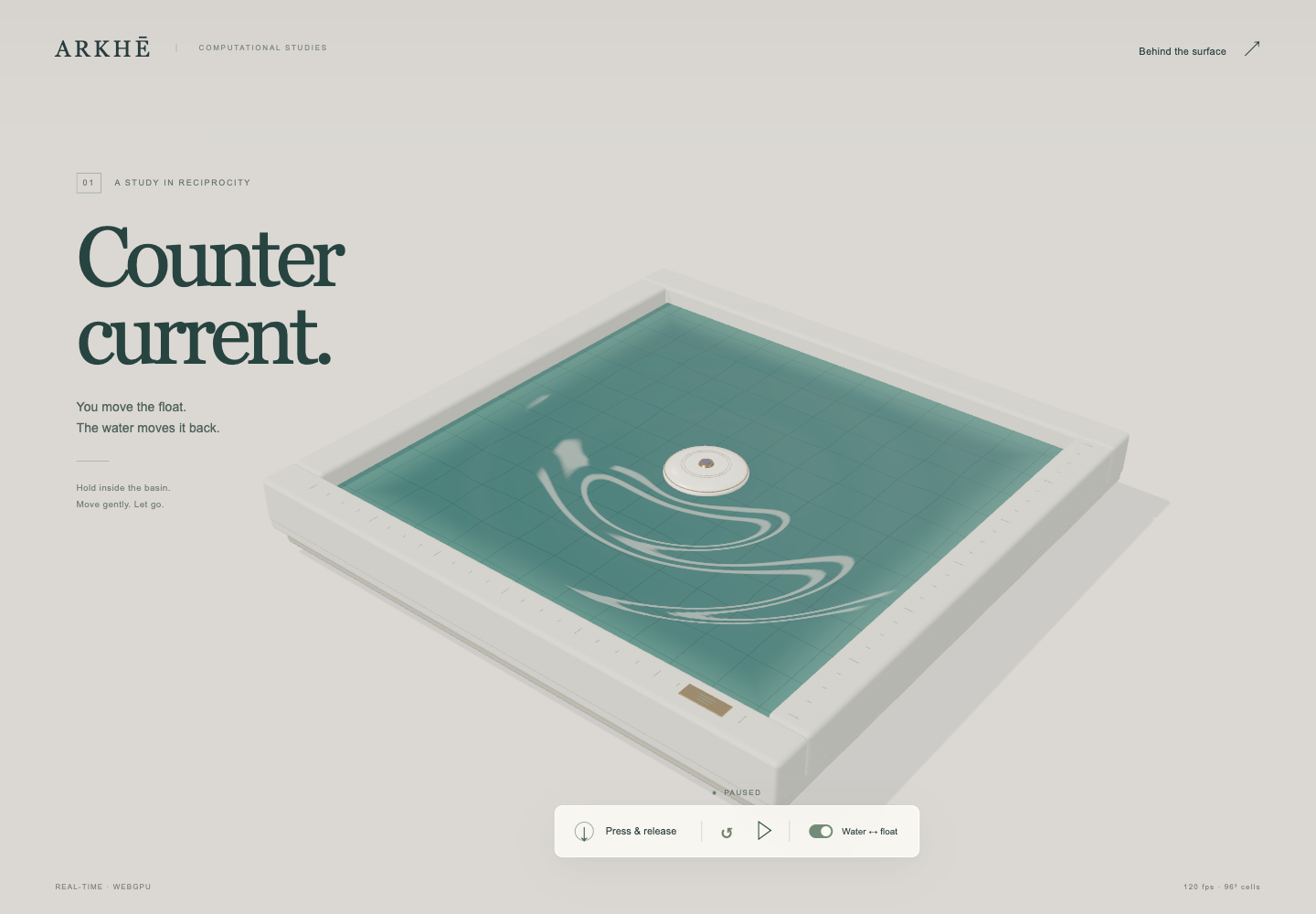
A playable WebGPU experiment in how a moving float and shallow water affect each other. Includes model notes and numerical checks. |
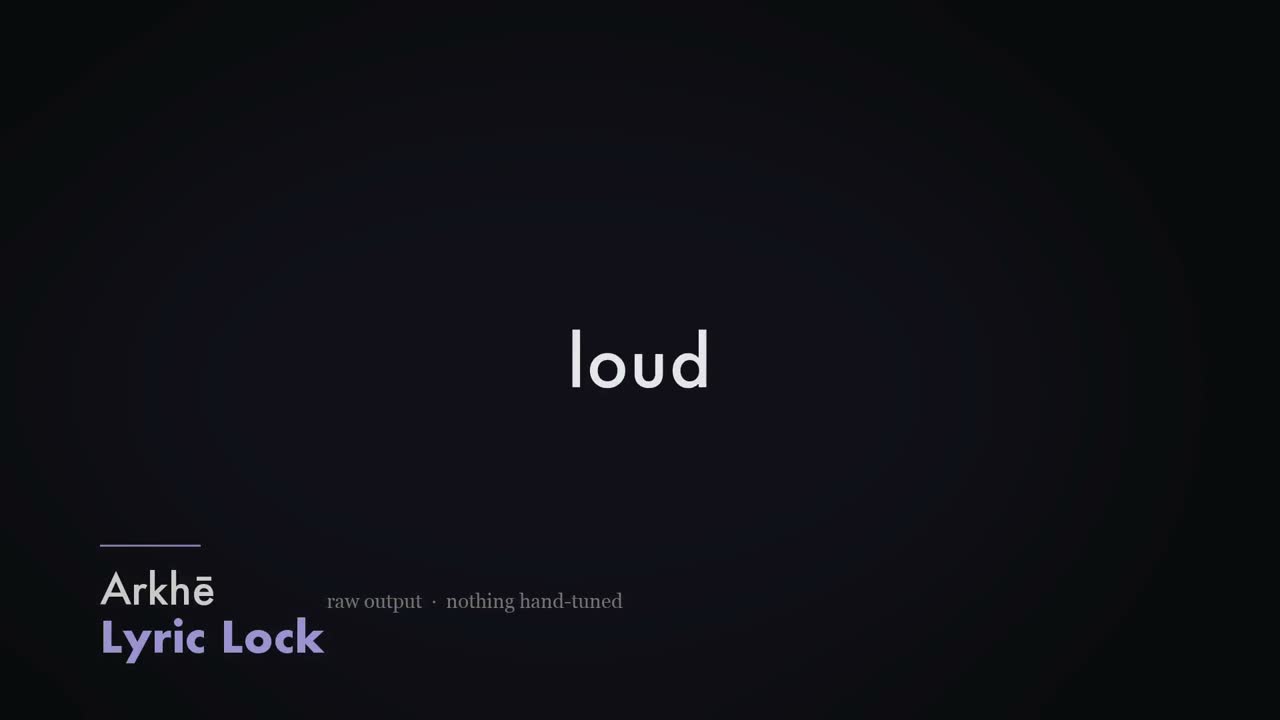
A local workflow for aligning lyrics to vocals, flagging uncertain timings, and repairing them in a browser. |
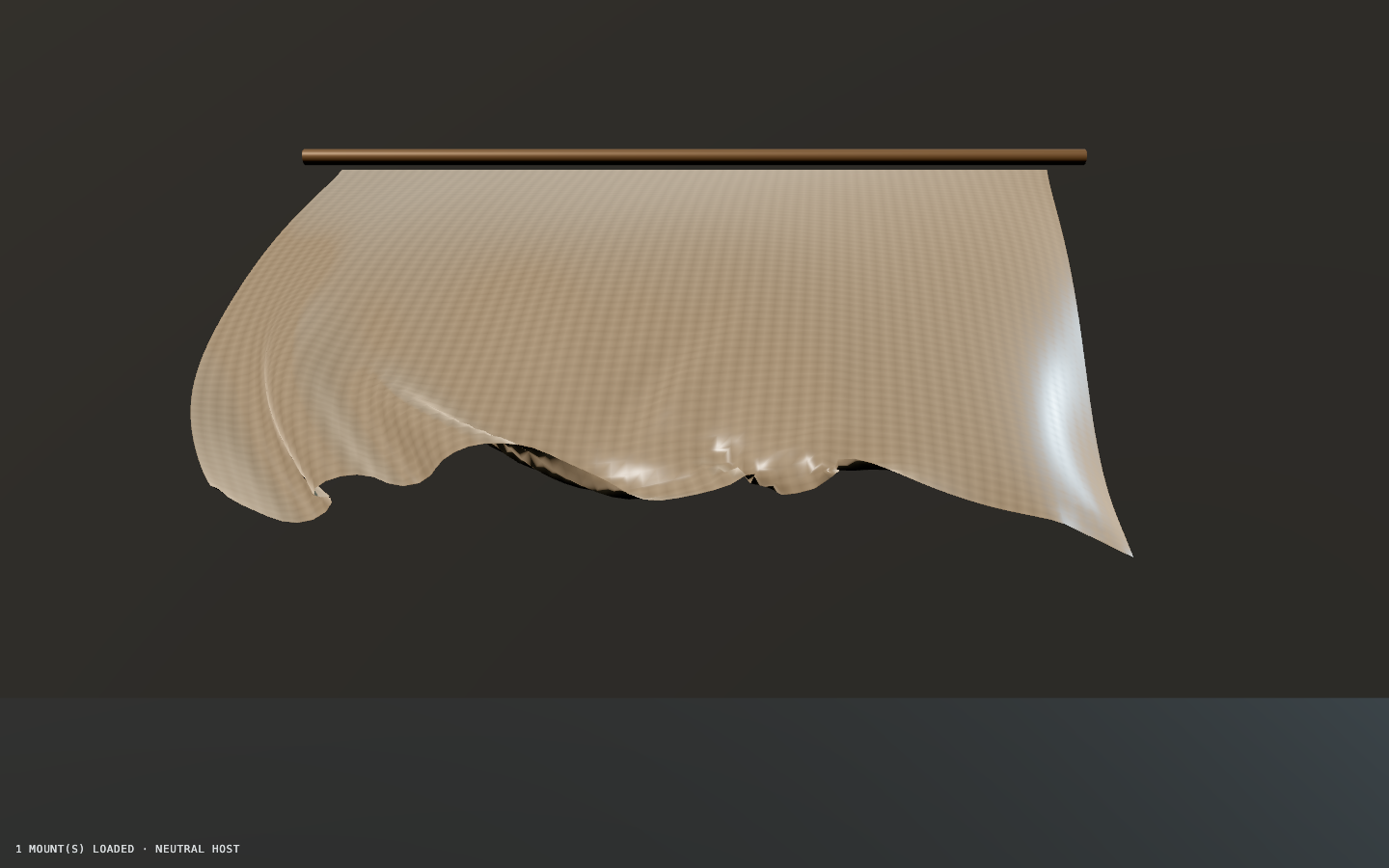
Browser-native water and cloth experiments, built around interaction and documented tests. These are computational demonstrations with stated limits.
I'm interested in practical work on AI evaluation, software reliability, and developer workflows. My website has more about the work and ways to get in touch.
I use AI tools in my workflow and document their role in individual projects. Reproducers, tests, and review feedback are part of what I share.